Organization Designer
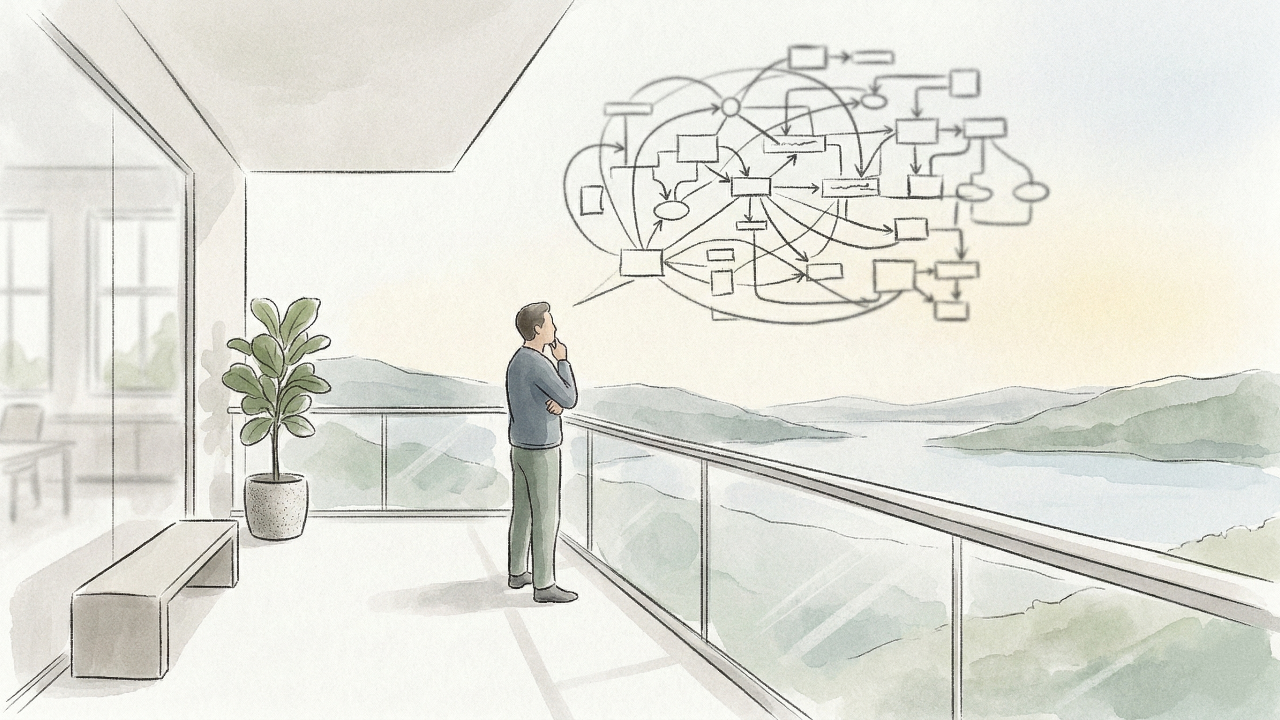
While there are professional organization designers, for many leaders organization design is an integral part of their job regardless of title, seniority, or functional specialty. For these people, organization design is a way of thinking about and changing the system of interconnected activities and decisions that comprise the modern enterprise. Organization design is inherently a cross‑functional, multidisciplinary activity that requires both a broad understanding of the organizational systems and in‑depth knowledge of the particular system being designed. Designers bring this breadth and depth together. They are purpose‑driven, dissatisfied with “good enough,” and motivated to create organizations that deliver sustainable value for all stakeholders.
Several attitudes and motivations distinguish leaders who are organization designers from other successful leaders, including never being satisfied, employing systems thinking, using fact-based approaches, reflecting, collaborating, and persisting to continuously redesign their organizations to remain competitive in an ever-changing world (Larson et al., 2012). In addition, they are open to new experiences and have a deep understanding of what it is like to be the people they lead and serve.
The Studio’s perspective on designers is grounded in four domains that reflect how designers think, act, interact, and learn. They provide a clear, structured way to understand what makes someone an effective organization designer.
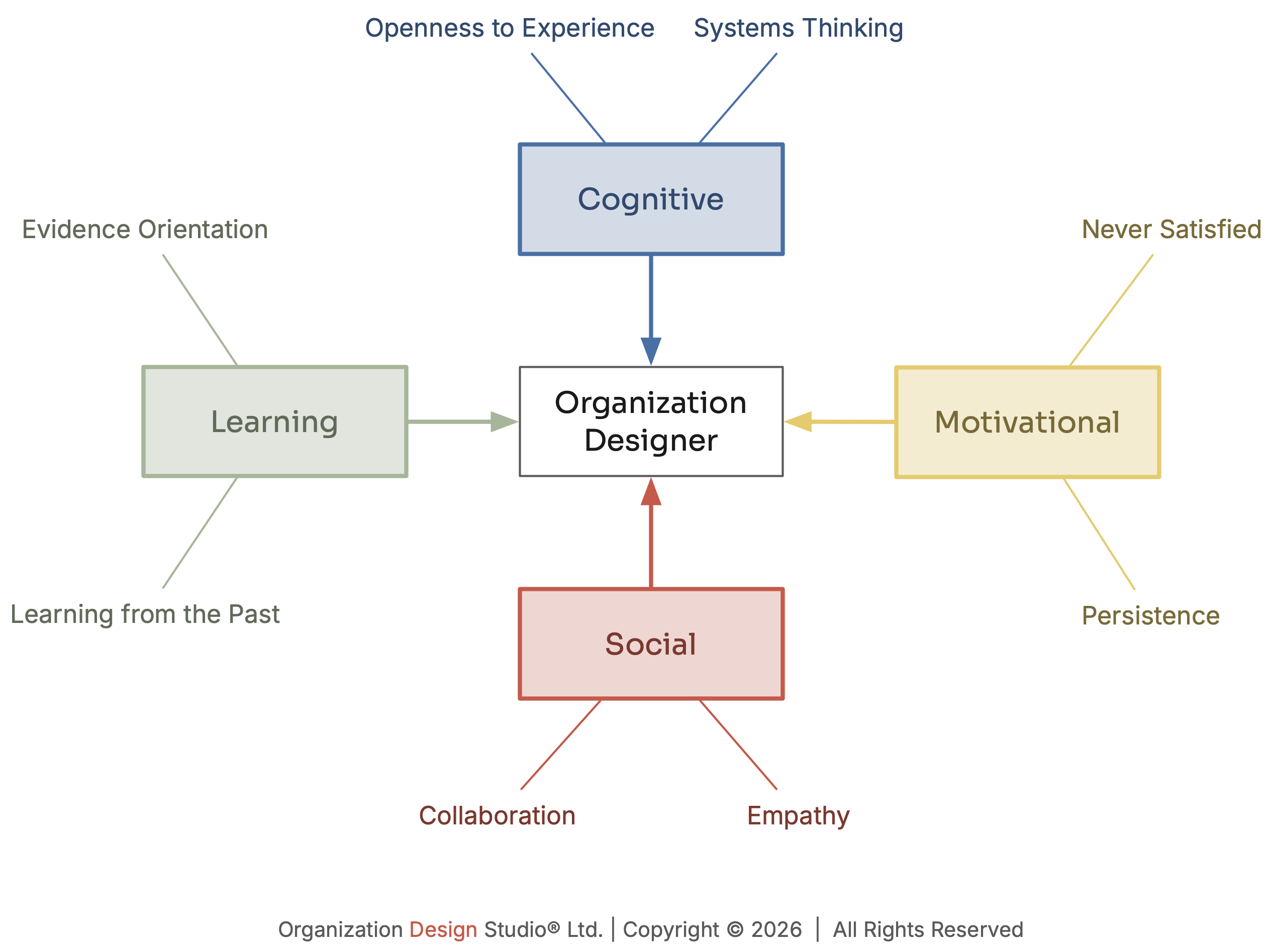
Figure 1 - Characteristics of Organization Designers
Cognitive - How they think
Organization designers think differently than many managers. Instead of learning to optimize the current design, they are curious and explore alternate possibilities. They are open to new ideas and view the organization as a system of interdependent activities vs. independent functional silos. They combine the novelty of a wide variety of ideas with the complexity of systems thinking to develop new ways of doing things in a dynamic environment.
Openness to Experience
Designers are curious people who enjoy exploring a wide variety of ideas, concepts, and solutions. They ask questions that challenge underlying assumptions and traditional approaches. In fact, they are energized by novel ideas, complex systems, and the potential of a better future.
The degree to which one is open to new experiences is one of the Big Five personality traits. Research shows that openness has a positive association with creativity, innovation, and design (Feist, 1998; S.-J. Wang et al., 2023). Higher openness is also linked to psychological safety and knowledge sharing in creative design-like projects (Sacramento et al., 2023).
Systems Thinking
Designers see the organization as a system of interconnected activities and decisions. They understand how changes in one part of the system ripple across other parts of the organization. Organization designers focus on aligning and integrating activities and decisions across the organization to improve the flow of value and enhance overall enterprise performance.
Systems thinking is widely viewed as a key capability for dealing with complex, dynamic organizations and for achieving high performance. Conceptual work highlights individual capacity for systems thinking as essential for navigating complex problem domains and building corresponding organizational competence in systems thinking (Jaradat et al., 2018).
Motivational - What drives them
What drives designers to act? Motivational traits determine whether a designer will push for improvement, persist in the face of resistance, and uphold high standards. These attitudes shape how a designer shows up in their work, especially when it is difficult.
Never Satisfied
Proactive designers are always looking to improve things. Organization designers are never satisfied with the status quo or merely settle for “good enough” and have an ongoing need to drive continuous evolution and improvement. They seek breakthrough opportunities and innovative ways to leap beyond their competitors in the industry. This is not restlessness; it is purpose‑driven ambition.
Multiple studies demonstrate that proactive personality traits at both individual and team levels are positively associated with higher performance, innovation outcomes, job satisfaction, and adaptability (Crant, 2000). In addition, teams with higher average proactivity tend to be more effective at implementing change and achieving breakthrough results (Williams et al., 2010; Kiss et al., 2021).
Persistence
Designers strive to make the organization the best it can be and do not tolerate behaviors that contradict its goals and values. They do not permit behavior inconsistent with the organization's purpose and values (Larson et al., 2012). They are decisive and tenacious and can sometimes be demanding when it comes to organization design and performance.
According to Nijstad et al. (2010), persistence doesn’t just support endurance but is also a generative mechanism in its own right. The value of persistence is often underappreciated. Lucas and Nordgren (2015, 2020) found that people consistently expect their creative output to fall off as an ideation session goes on when, in fact, it holds steady or improves. Unfortunately, believing the drop-off is real leads them to quit early and produce less creative work.
Social - How they work with others
While many creative pursuits are individual activities, organization design requires diverse perspectives across multiple domains. Consequently, it is a social process of collaboration. Effective design teams build trust, understand and integrate diverse perspectives, and co-create new solutions.
Collaboration
Designers are team players. They balance inquiry and advocacy, elevate others’ ideas, and create shared ownership. They have a low need for sole credit or control (Larson et al., 2012). Designers value diverse perspectives and engage others in developing the why, what, and how of change, resulting in innovative solutions and increased “buy-in” for the change or modifications.
The effectiveness of organizational design teams is strongly influenced by the social attitudes and mindsets of their members, particularly regarding collaboration. Collaborative attitudes help create an environment of psychological safety, knowledge sharing, trust, and the development of shared mental models, all of which support effective organization design (J. Wang et al., 2021). Collaboration also supports team creativity and innovation, especially when tasks are complex and interdependent, such as organization design (J. Wang et al., 2019).
Empathy
Empathy has become a central concept in organizational design teams, especially within design thinking and human-centered approaches. Designers get what it is like to be everyone else. They understand the experiences of employees, customers, suppliers, communities, and other stakeholders. This is an essential ability for effective organization design that creates value for multiple stakeholders.
Cognitive empathy (perspective-taking) is significantly and positively related to the quality and originality of creative activities such as problem construction and innovative design (Kripal & Reiter‐Palmon, 2024). However, emotional empathy can sometimes inhibit these outcomes depending on context (Vassallo et al., 2023). While understanding what it is like to be a stakeholder boosts creativity and innovation, actually experiencing their feelings does not.
Learning - How they develop
Designers learn to explore new ideas and solutions, understand the interdependent system, collaborate, appreciate others' perspectives, and persist through challenging design and deployment projects. Their learning is enhanced when they leverage the objective empirical evidence of research and lessons from their own experiences.
Evidence Orientation
Organization designers combine the best from academia and practice to inform their designs. They are highly motivated to work with data and information from credible research rather than mere appearances and beliefs. Designers research and learn from other organizations to identify practices, tools, techniques, and technologies to inspire their innovative custom designs.
Research found that evidence-based practices and data-driven mindsets support innovation and improved decision quality (Dukała et al., 2023). However, excessive reliance on data can constrain creativity and adaptability (Dong et al., 2013).
Learning From the Past
Designers learn from the past what works, what doesn’t, and under what conditions to design better organizations for today and the future. They are lifelong learners who think deeply and utilize historical performance trends and experiences to inform their decisions and drive effective strategies. They understand that learning drives innovation and sustainable value.
Reflective practices and attitudes are associated with improved creativity, adaptability, and overall performance. Multiple studies show strong links between reflexivity and learning orientation and outcomes (Shin et al., 2017; Tan et al., 2023). Learning from experience what worked and what didn’t requires a solid understanding of the empirical evidence. Experience plus empirical evidence is a powerful combination.
“Successful leaders in the future will have to become architects of enduring organizations by designing systems that create sustainable results for multiple stakeholders” (Latham, 2012, p. 7).
Leading a modern organization in a constantly changing world is challenging and uncertain. Leaders who develop these eight characteristics thrive in the Studio and will shape the future of their organizations.
References
Crant, J.M. (2000). Proactive Behavior in Organizations. Journal of Management, 26(3), 435 - 462. https://doi.org/10.1177/014920630002600304
Dong, A., Kleinsmann, M.S., & Deken, F. (2013). Investigating design cognition in the construction and enactment of team mental models. Design Studies, 34(1), 1-33. https://doi.org/10.1016/j.destud.2012.05.003
Dukała, K., Pyrkosz-Pacyna, J., & Czarny, R. (2023). DTMethod: A New Evidence-Based Design Thinking Methodology for Effective Teamwork. Sustainability 15(5), 4187. https://doi.org/10.3390/su15054187
Feist, G. J. (1998). A Meta-Analysis of Personality in Scientific and Artistic Creativity. Personality and Social Psychology Review, 2 (4), 290–309. https://doi.org/10.1207/s15327957pspr0204_5
Jaradat, R.M., Keating, C.B., & Bradley, J.M. (2018). Individual Capacity and Organizational Competency for Systems Thinking. IEEE Systems Journal, 12(2), 1203-1210. https://doi.org/10.1109/jsyst.2017.2652218
Kiss, A.N., Cortes, A.F., & Herrmann, P. (2021). CEO proactiveness, innovation, and firm performance. The Leadership Quarterly, 33(2), 101545. https://doi.org/10.1016/j.leaqua.2021.101545
Kripal, S.J., & Reiter‐Palmon, R. (2024). The role of empathy in problem construction and creative problem solving. Learning and Individual Differences, 114, 102501. https://doi.org/10.1016/j.lindif.2024.102501
Larson, M.D., Latham, J. R., Appleby, C. A., & Harshman, C. L. (2012). CEO attitudes and motivations: Are they different for high-performing organizations? Quality Management Journal, 19(4) 55-69. https://doi.org/10.1080/10686967.2012.11918083
Latham, J. R. (2012). Management system design for sustainable excellence: Framework, practices and considerations. Quality Management Journal 19(2), 7-21.. https://doi.org/10.1080/10686967.2012.11918342
Lucas, B. J., & Nordgren, L. F. (2015). People underestimate the value of persistence for creative performance. Journal of Personality and Social Psychology, 109(2), 232–243. https://doi.org/10.1037/pspa0000030
Lucas, B. J., & Nordgren, L. F. (2016). "People underestimate the value of persistence for creative performance": Correction to Lucas and Nordgren (2015). Journal of Personality and Social Psychology, 110(4), 634. https://doi.org/10.1037/pspa0000051
Lucas, B. J., & Nordgren, L. F. (2020). The creative cliff illusion. Proceedings of the National Academy of Sciences, 117(33), 19830–19836. https://doi.org/10.1073/pnas.2005620117
Nijstad, B. A., De Dreu, C. K. W., Rietzschel, E. F., & Baas, M. (2010). The dual pathway to creativity model: Creative ideation as a function of flexibility and persistence. European Review of Social Psychology, 21(1), 34–77. https://doi.org/10.1080/10463281003765323
Sacramento, C., Lyubovnikova, J., Martinaityte, I., Gomes, C., Curral, L., & Juhasz‐Wrench, A. (2023). Being open, feeling safe and getting creative: The role of team mean openness to experience in the emergence of team psychological safety and team creativity. Journal of Product Innovation Management, 41(1), 12-35 https://doi.org/10.1111/jpim.12699
Shin, Y., Kim, M., & Lee, S. (2017). Reflection Toward Creativity: Team Reflexivity as a Linking Mechanism Between Team Goal Orientation and Team Creative Performance. Journal of Business and Psychology, 32, 655-671. https://doi.org/10.1007/s10869-016-9462-9
Tan, L., Kocsis, A., Burry, J., & Kyndt, E. (2023). Performance of architectural teams: The role of team learning, reflexivity, boundary crossing and error communication. Design Studies 87, 101190. https://doi.org/10.1016/j.destud.2023.101190
Vassallo, J.P., Banerjee, S., Zaman, H., & Prakash, J.C. (2023). Design thinking and public sector innovation: The divergent effects of risk-taking, cognitive empathy and emotional empathy on individual performance. Research Policy, 52(6), 104768. https://doi.org/10.1016/j.respol.2023.104768
Wang, S.-J., Chen, R., & Lu, H.-C. (2023). The Effect of Creators’ Personality Traits and Depression on Teamwork-Based Design Performance. Behavioral Sciences, 13(3), 248. https://doi.org/10.3390/bs13030248
Wang, J., Cheng, G. H. ‐L., Chen, T., & Leung, K. (2019). Team creativity/innovation in culturally diverse teams: A meta‐analysis. Journal of Organizational Behavior, 40(6), 693–708. https://doi.org/10.1002/job.2362
Wang, J., Yuan, Z., He, Z., Zhou, F., & Wu, Z. (2021). Critical Factors Affecting Team Work Efficiency in BIM-Based Collaborative Design: An Empirical Study in China. Buildings, 11(10), 486. https://doi.org/10.3390/buildings11100486
Williams, H., Parker, S., & Turner, N. (2010). Proactively performing teams: The role of work design, transformational leadership, and team composition. Journal of Occupational and Organizational Psychology, 83(2), 301-324. https://doi.org/10.1348/096317910x502494
The Design Behind It
Every Result Has One
Monthly notes from the Studio on designing organizations that perform: practices you can use, AI methods that hold up, and evidence weighed for design.
We hate SPAM. We will never sell your information, for any reason.
